The Most Valuable Brands in the World Aren’t Selling Products — They’re Owning Meaning
Every year, the world’s most valuable brands report tells us something deeper than who’s winning in the marketplace.
It tells us who is winning in the minds of audiences.
And this year’s rankings reveal a major shift.
The brands rising fastest aren’t simply the loudest.
They aren’t merely the most visible.
And they aren’t succeeding because they flood the market with more messaging.
They are succeeding because they have become unmistakable.
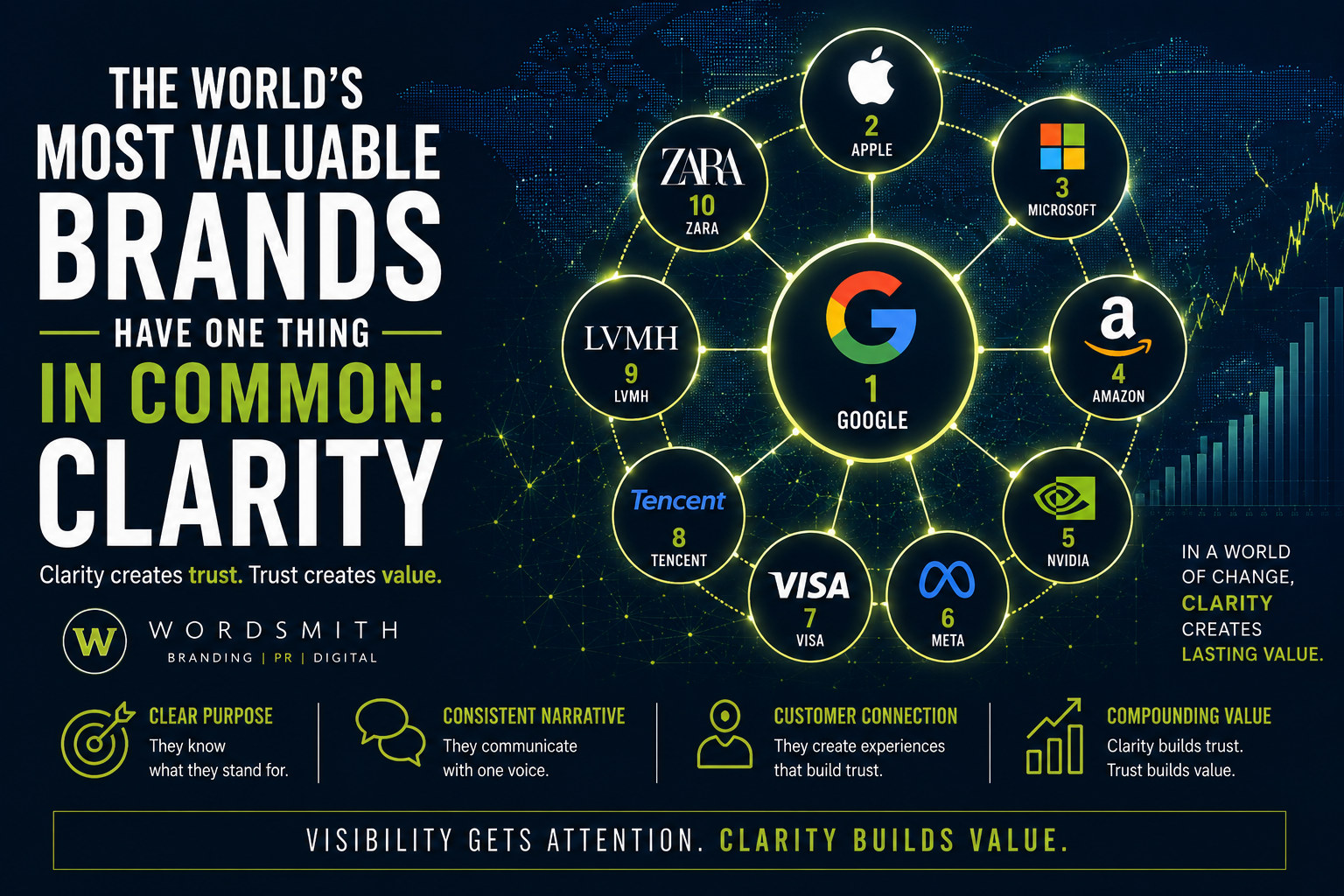
According to the latest Kantar BrandZ rankings highlighted by Ad Age, the world’s most valuable brands continue to be dominated by organizations that have built extraordinary clarity around identity, innovation and emotional relevance.
At the top of the list:
- Apple
- Microsoft
- Amazon
- Nvidia
But perhaps the most fascinating developments were further down the rankings.
AI-native brands like Claude and ChatGPT surged into the conversation.
Zara overtook Nike as the world’s most valuable fashion brand.
And legacy brands that continue to evolve their narrative remained remarkably resilient.
That matters because strong brands are no longer built through awareness alone.
They are built through alignment.
The New Reality of Brand Leadership
For years, organizations treated branding as a marketing exercise.
A logo.
A campaign.
A tagline.
A launch.
But the most valuable brands in the world now operate differently.
Their:
- positioning,
- messaging,
- customer experience,
- media presence,
- leadership communication,
- innovation narrative,
- and public reputation all reinforce one another.
That consistency compounds trust. And trust compounds value. The strongest brands don’t merely advertise products. They create ecosystems of meaning.
Why AI Brands Are Rising So Fast
One of the biggest insights from this year’s report is how quickly AI brands are building enterprise-level value.
That isn’t happening simply because of technology.
It’s happening because these companies entered the market with:
- a compelling narrative,
- cultural relevance,
- clear positioning,
- and enormous public curiosity.
In other words: they communicated the future before most competitors could explain the present.
That’s a communications advantage.
Not just a technology advantage.
What Zara’s Rise Reveals About Modern Branding
Zara surpassing Nike surprised many observers.
But it reinforces a critical truth: brands grow when they remain culturally connected while delivering consistency at scale.
Zara succeeded by:
- understanding consumer behavior,
- adapting rapidly,
- simplifying experience,
- and staying relentlessly aligned to its positioning.
Strong brands reduce friction.
Weak brands create confusion.
The WordSmith Perspective
The organizations building lasting influence today understand something many still miss: visibility does not create value.
Clarity does.
The world’s most valuable brands are not necessarily the companies saying the most.
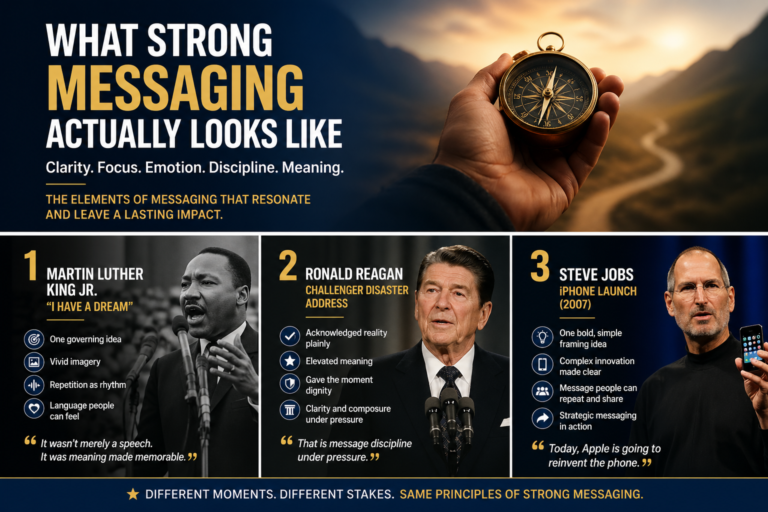
They are the companies saying the clearest thing repeatedly — across every touchpoint.
That is where brand, narrative and communications converge.
And in an increasingly fragmented media environment, organizations that fail to align those elements will struggle to build trust, relevance and authority.
The Real Competitive Advantage
The brands winning today are winning because audiences immediately understand:
- who they are,
- what they stand for,
- why they matter,
- and what experience they consistently deliver.
That level of clarity is difficult to build.
But once achieved, it becomes extraordinarily difficult to compete against.
Because the strongest brands don’t just occupy market share.
They occupy mental real estate.
And in today’s communications environment, that may be the most valuable asset of all.

ABOUT THE AUTHOR